First time trying Ethiopian food, I thought everything was delicious! The flavor combinations and dishes were an experience in itself. This is a wholesome family run restaurant. One of the owners, Athena, serves the food, is extremely welcoming and makes you feel like you’re right at home. The food tasted fresh and I was delighted to try some new food and bold flavors. They have a sourdough bread called injera which was so good and tasted freshly made as well. The honey wine was sweet and the cherry on top of a delicious meal. We can’t wait to come back and try more dishes!
Overview
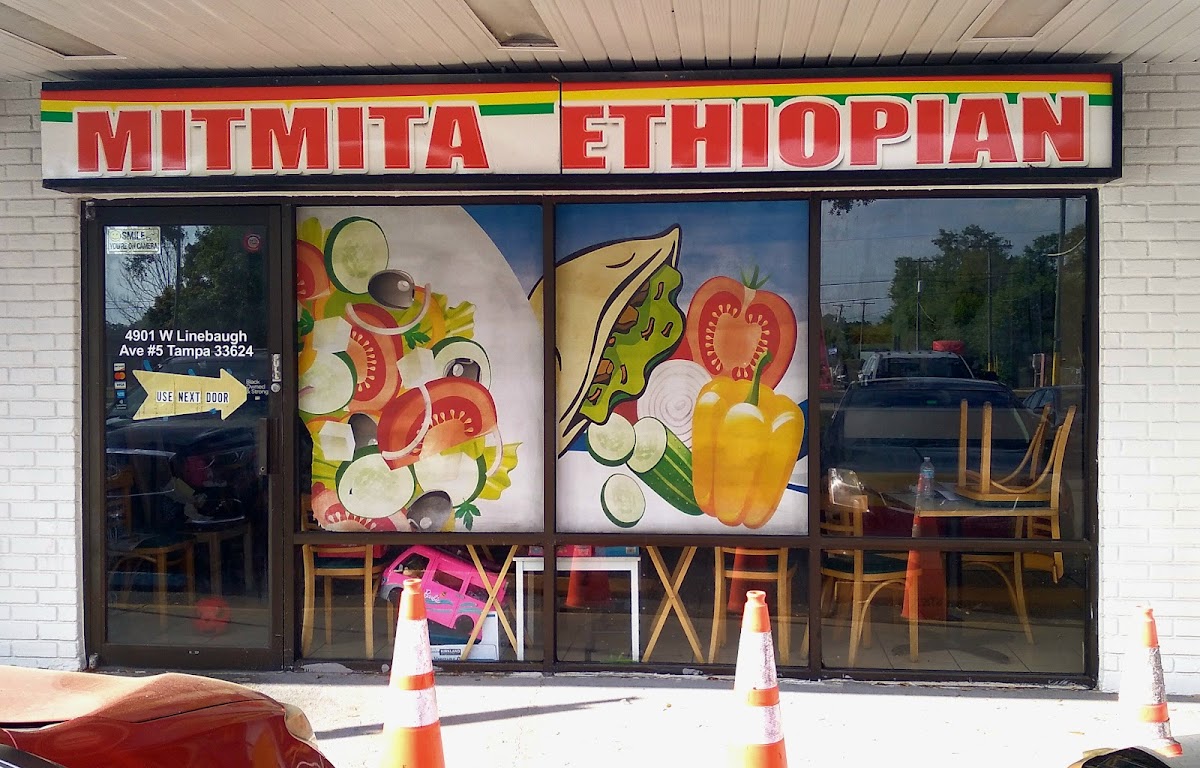
Walking into Mitmita Ethiopian Restaurant feels like stepping into a warm, lived-in space where food is treated as culture, not just a menu item. Located at 4901 W Linebaugh Ave suite 4 & 5, Tampa, FL 33624, United States, this spot has quietly built a reputation among locals who value bold flavors, shared plates, and food that tells a story. I first visited with a friend who grew up eating Ethiopian food at home, and watching her nod in approval after the first bite told me more than any review ever could.
The menu is where the experience really begins. Ethiopian cuisine is traditionally served family-style, and this restaurant stays true to that process. Large platters arrive layered with injera, the spongy fermented flatbread made from teff grain. According to data from the Food and Agriculture Organization of the United Nations, teff is naturally gluten-free and rich in iron and fiber, which explains why injera feels both filling and light. Here, it’s made fresh, with just enough tang to balance the richly spiced stews placed on top.
One dish that consistently stands out is the doro wat, a slow-simmered chicken stew cooked with berbere spice and clarified butter. Berbere itself is a complex blend of chili, garlic, ginger, and warm spices, and researchers from the Journal of Ethnic Foods note that such spice blends are central to Ethiopian culinary identity, acting as both seasoning and preservation method. The heat level here is confident but controlled, allowing layers of flavor to unfold rather than overwhelm. Vegetarian options like misir wat, a red lentil stew, and atkilt wat, a cabbage and carrot mix, are prepared with the same care, making the menu approachable for different diets without feeling like an afterthought.
What makes the experience especially memorable is the way the food is eaten. There are no forks unless you ask. Instead, pieces of injera are torn by hand and used to scoop up bites. This method isn’t a gimmick; it’s rooted in tradition and hospitality. Anthropologists from Addis Ababa University have documented how shared platters reinforce social bonds, and you can feel that intention here. Even first-time diners quickly relax into the rhythm of sharing, tasting, and talking.
The service reflects that same sense of welcome. On my second visit, the server took time to explain unfamiliar dishes and suggested a mixed platter that worked perfectly for the table. That kind of guidance matters, especially for guests new to Ethiopian food. It also shows confidence in the kitchen, something echoed across many local reviews that praise both consistency and kindness.
Location-wise, the restaurant sits in a low-key plaza that’s easy to miss if you’re not looking for it, but regulars know it’s worth the turn. Parking is straightforward, and the dining room stays calm even during busy hours, making it suitable for casual dinners or longer, conversation-filled meals. The interior isn’t flashy, yet it feels intentional, with subtle cultural touches that complement rather than distract from the food.
There are a few limitations worth noting. Like many traditional kitchens, dishes take time, especially during peak hours, so this isn’t a rush-in, rush-out kind of place. Also, spice levels can vary slightly depending on the day, which is common in kitchens that cook from scratch rather than rely on pre-made sauces. For most diners, that variability is part of the charm.
Overall, the combination of thoughtful preparation, cultural authenticity, and consistently positive reviews has earned this restaurant a loyal following in Tampa. The menu encourages exploration, the location is accessible, and the experience feels grounded in real culinary practice rather than trends. It’s the kind of place people recommend quietly, then keep coming back to themselves.
Good to know
Service options
✓ Kerbside pickup ✓ Delivery ✓ Takeaway ✓ Dine-inHighlights
✓ Fast service ✓ Great coffee ✓ Great tea selection ✓ Serves local specialtyPopular for
✓ Lunch ✓ Dinner ✓ Solo diningAccessibility
✓ Wheelchair-accessible car park ✓ Wheelchair-accessible entrance ✓ Wheelchair-accessible seating ✓ Wheelchair-accessible toiletOfferings
✓ Alcohol ✓ Beer ✓ Coffee ✓ Comfort food ✓ Halal food ✓ Healthy options ✓ Small plates ✓ Vegan options ✓ Vegetarian options ✓ WineDining options
✓ Lunch ✓ Dinner ✓ Catering ✓ Dessert ✓ Seating ✓ Table serviceAmenities
✓ Toilet ✓ Wi-Fi ✓ Wi-FiAtmosphere
✓ Casual ✓ Cosy ✓ QuietCrowd
✓ Family friendly ✓ Groups ✓ TouristsPlanning
✓ Accepts reservationsPayments
✓ Credit cards ✓ Debit cards ✓ NFC mobile payments ✓ Credit cardsChildren
✓ Good for kids ✓ High chairsParking
✓ Free of charge street parking ✓ Free parking lot ✓ ParkingPhotos
1 / 4
Location
Reviews
- No ratings yet 457 reviews
What an awesome meal and experience! I've had Ethiopian food once before and was excited to experience it again. Mitmita did not disappoint! Loved the veggie combo and the lamb. And if you are going with multiple people it's fun to share a big platter. I had a great time speaking with the server as well, she may have also been the owner and she was happy to talk to me about Ethiopian food. She had great recommendations as well. Can't wait to come back!
I travel for work in one of the first things I do is find Ethiopian restaurants in the area. I was pleased with this find the food was authentically great. If you like your food spicy hot then this is the place for you. And the Honey wine was very nice. The service was excellent. I gave it a 4 for atmosphere because there was a family in there who was acting like they were at home. Very loud, with their kids running around. Other than that I highly recommend you go and try this cultural experience of food.
This was my first time having Ethiopian food. My server Athena went above and beyond to teach me about the cuisine and culture. The food was all incredible, I highly recommend and will definitely be coming back again.
Tasty and authentic Ethiopian place in Tampa. Freshly made food and very pleasant owner. All meat dishes come with hot veggie sides and injera bread. Great experience
Had an amazing experience dining here tonight. It is wonderful to have such a great establishment within an hour drive from me! The atmosphere is lovely and our server Athena made sure the experience was 10/10! Everything we had was absolutely amazing! Even the iced tea far exceeded expectations. This will definitely be the first of many visits!!
First time trying Ethiopian food at Mitmita Ethiopian Cuisine and wow, the food AND experience were immaculate! My friends and I had an absolute blast! The injera was perfect especially for it's many purposes and the lentil stew and steamed cabbage had layers of flavor that were quite delicious! Athena is a whooole vibe, truly a GEM ! May God continue to bless her, her husband (chef), their daughter and the entire family! #NNOUN (#NoNapkinsOrUtensilsNecessary ) — a deliciously hands-on experience we’ll never forget!